
New Zealand – When Nature Becomes Art and Identity 🌿
New Zealand is one of the rare places where landscape, ancestry, and creativity are connected — where identity is carried forward through ancestral continuity.
More than a country, New Zealand is a living example of how respect for nature and ancestors can shape a powerful cultural and artistic identity.
Nature as the First Artist
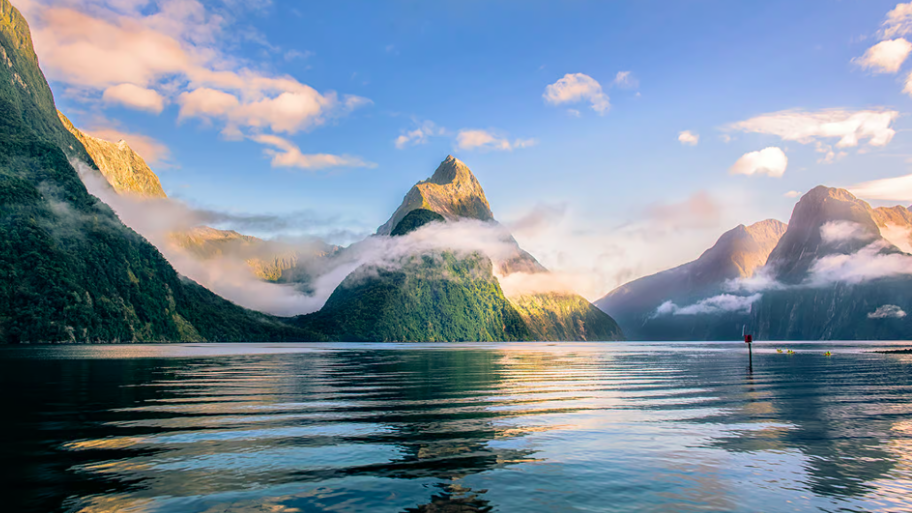
In New Zealand, nature is not a background — it is the primary creator.
Volcanoes, oceans, ancient forests, and endless skies shape not only the land, but the collective imagination of its people. Light, wind, water, and stone are treated as sacred presences, not resources to dominate.
This deep reverence transforms the way art is born.
Natural forms become patterns, movement becomes symbol. 🌿
Māori Culture – Art as Ancestral Language
At the heart of New Zealand’s identity lies Māori culture — a living testimony to the power of tradition carried with dignity into the present.
For the Māori people, art is inseparable from ancestry.
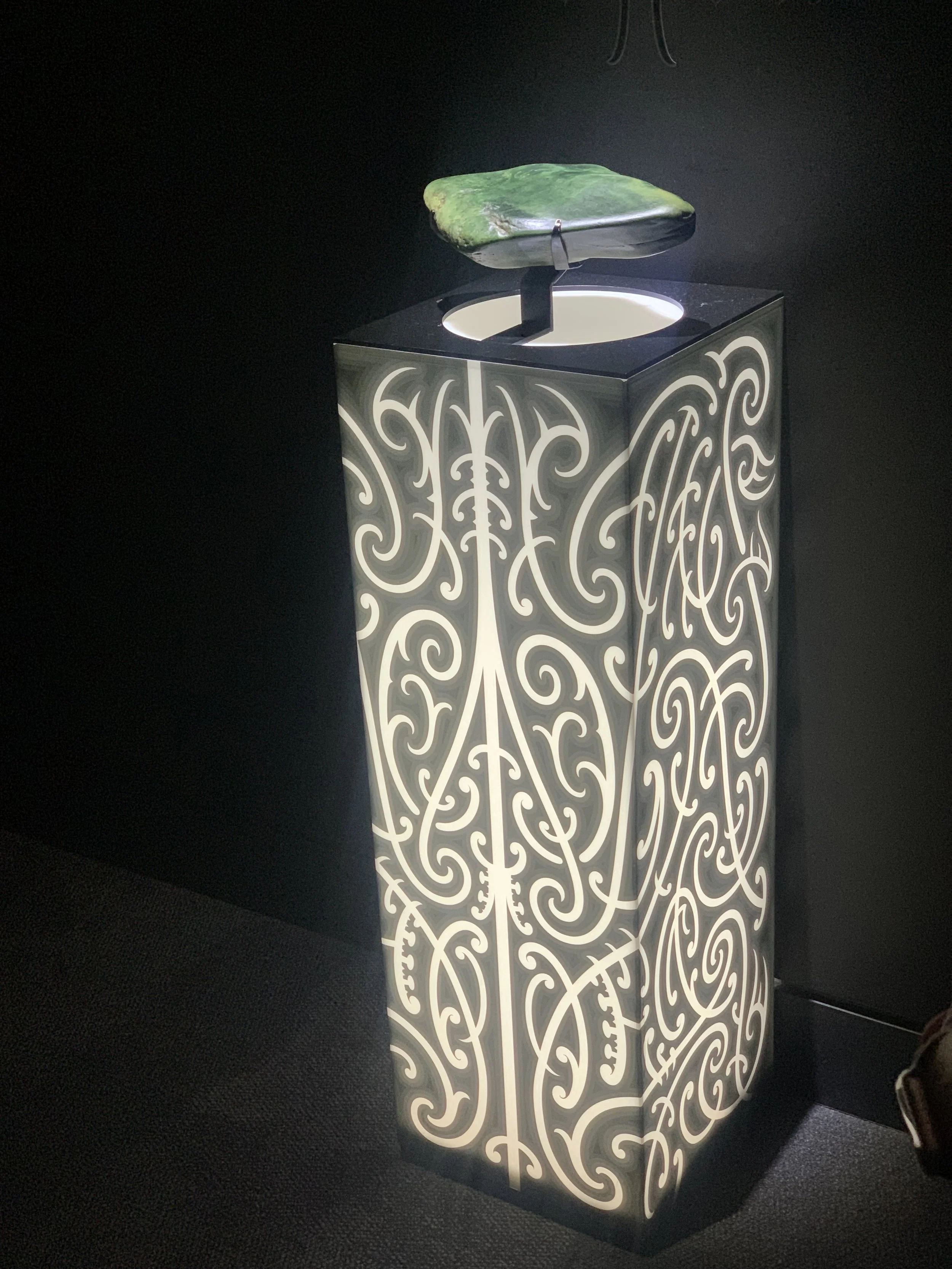
Every carving, tattoo (tā moko), weaving, or song is a genealogical act — a way of honoring lineage, land, and spirit.
Symbols are not decorative; they are repositories of memory:
spirals that speak of life force and continuity,
lines that trace genealogy,
natural forms that embody guardianship (kaitiakitanga).
Art becomes a bridge between generations — a sacred dialogue between those who were, those who are, and those yet to come.
Love and Responsibility Toward the Land
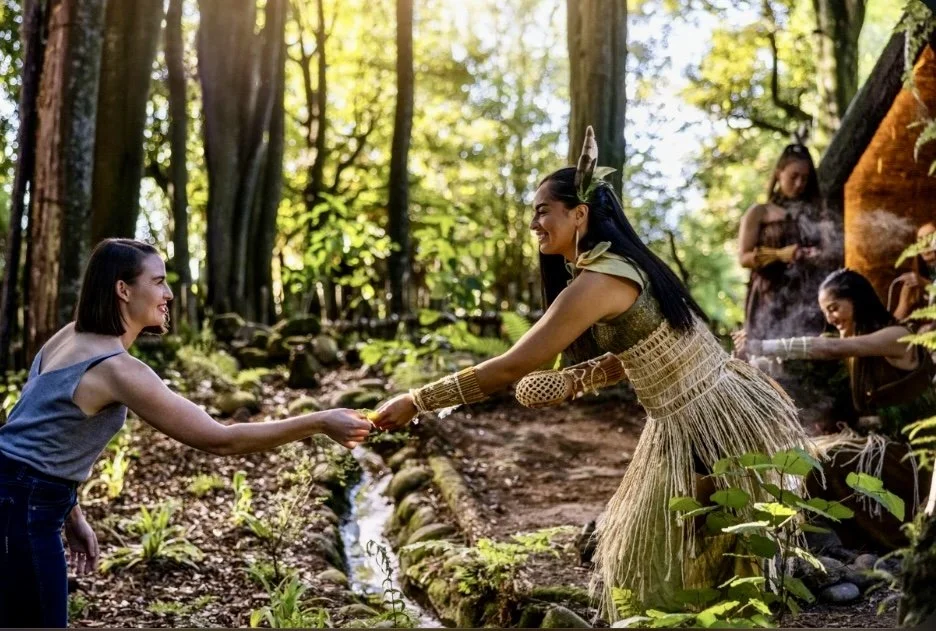
One of the most inspiring aspects of New Zealand is the concept that the land is not owned — it is belonged to.
This philosophy shapes both cultural policy and everyday life.
Nature is treated as an ancestor, a teacher, and a living being with rights.
When a society sees land as sacred, art naturally follows the same ethic:
sustainable materials,
respect for natural rhythms,
creation aligned with balance rather than excess.
This is not nostalgia — it is a contemporary cultural model rooted in ancient wisdom.
A Living National Identity
New Zealand offers a rare example of a modern nation that does not erase its roots in order to evolve.
Instead, it integrates:
ancestral symbolism into contemporary art,
indigenous values into national identity,
nature into cultural expression.
Art here becomes a collective mirror — reflecting who people are, where they come from, and what they stand for.
Art as an Expression of Nature’s Symbols
In New Zealand, symbols emerge directly from the land:
the fern as renewal and strength,
the spiral as life energy,
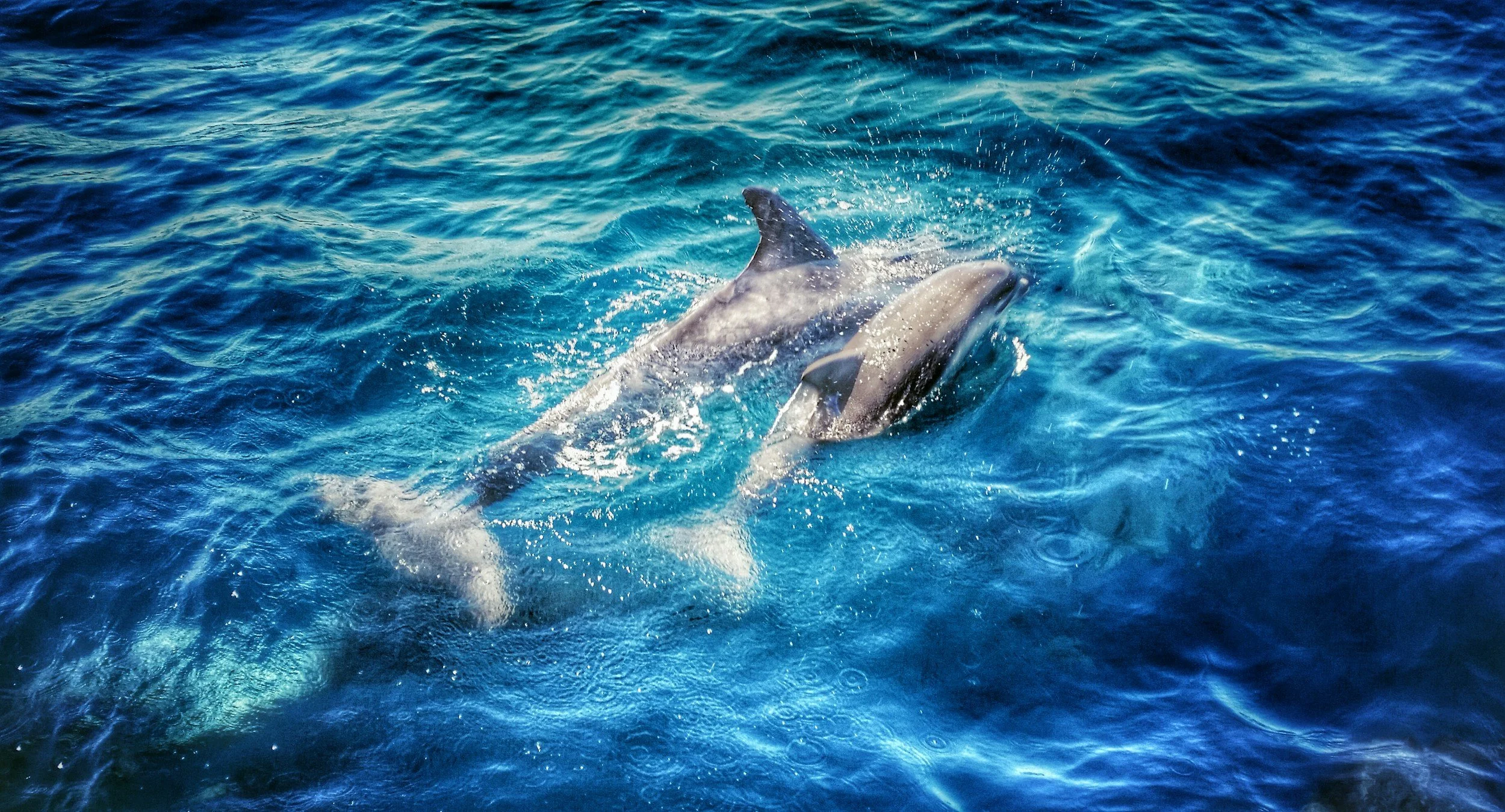
birds as messengers between worlds,
water as memory and movement.
These symbols are not frozen in museums — they are alive, reinterpreted continuously through art, architecture, design, and ritual.
This approach resonates deeply with any artist who works with light, symbolism, and meaning — reminding us that true art is born when we honor the intelligence of nature itself.
Why New Zealand Is an Example for the World
New Zealand shows us that:
identity can be preserved without becoming rigid,
tradition can evolve without being diluted,
art can remain sacred in a modern world.
It is an example of cultural coherence, where creativity is not separated from ethics, and beauty is inseparable from respect.
A Lesson in Belonging
New Zealand teaches us that art is strongest when it grows from love — love for the land, for ancestors, and for future generations.