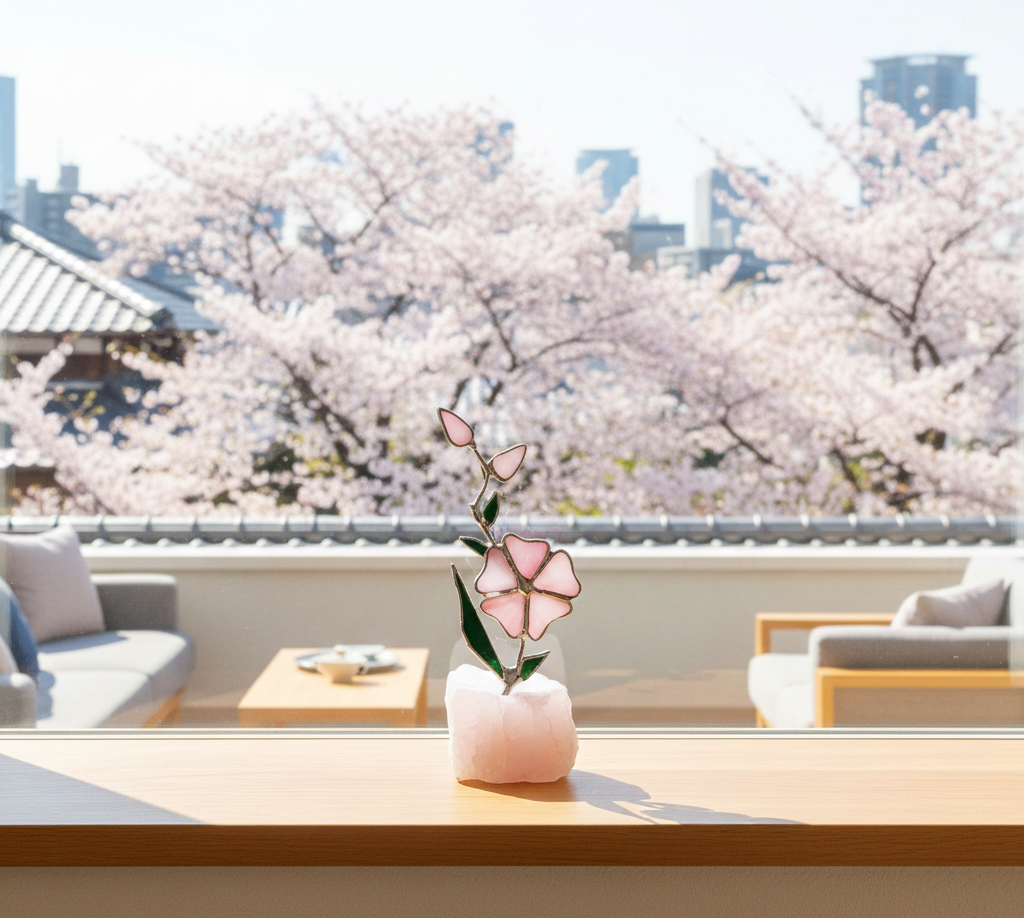
Why Sakura Matters More Than You Think 🌸
In Japanese culture, the Hanami (花見) season, dedicated to the contemplation of sakura blossoms, represents a moment of reflection on the ephemeral nature of life and the aesthetic value of nature.
The Sakura is not only a visual symbol, but also a cultural marker representing hope, cultivated sensitivity and spiritual awareness.
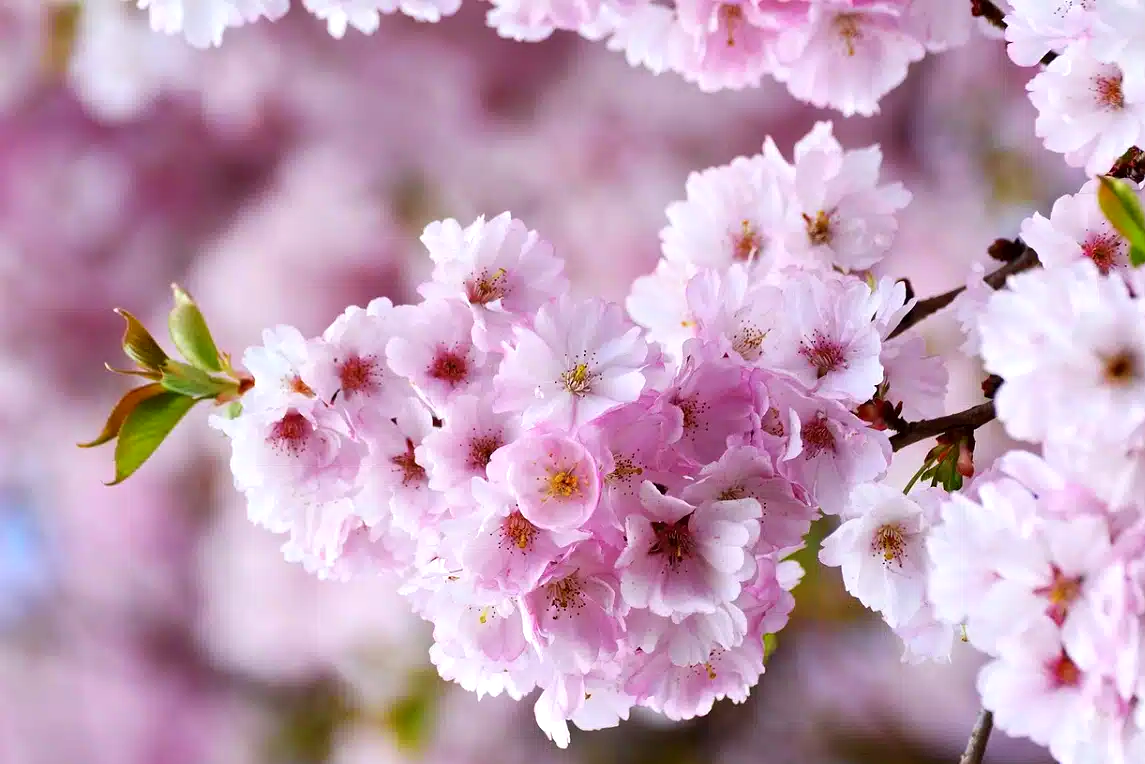
Sakura occupies a unique position within Japanese culture, not only as a seasonal marker, but as a visual philosophy. Its brief blooming cycle—often lasting no more than two weeks—has come to embody the principle of impermanence, where beauty is inseparable from its passing nature. This temporal fragility is not perceived as loss, but as value: a heightened awareness that transforms observation into a deliberate act of attention.
Hanami extends this symbolism into lived experience. More than the act of viewing blossoms, it is a cultural framework that brings together space, time, and presence—where the flowering trees define the rhythm, atmosphere, and meaning of the moment.
In this sense, sakura moves beyond landscape and becomes a transferable aesthetic language, one that can be rearticulated in artistic form to preserve not the image of the bloom, but the condition it creates: a refined awareness of transience, held within a composed and enduring structure.
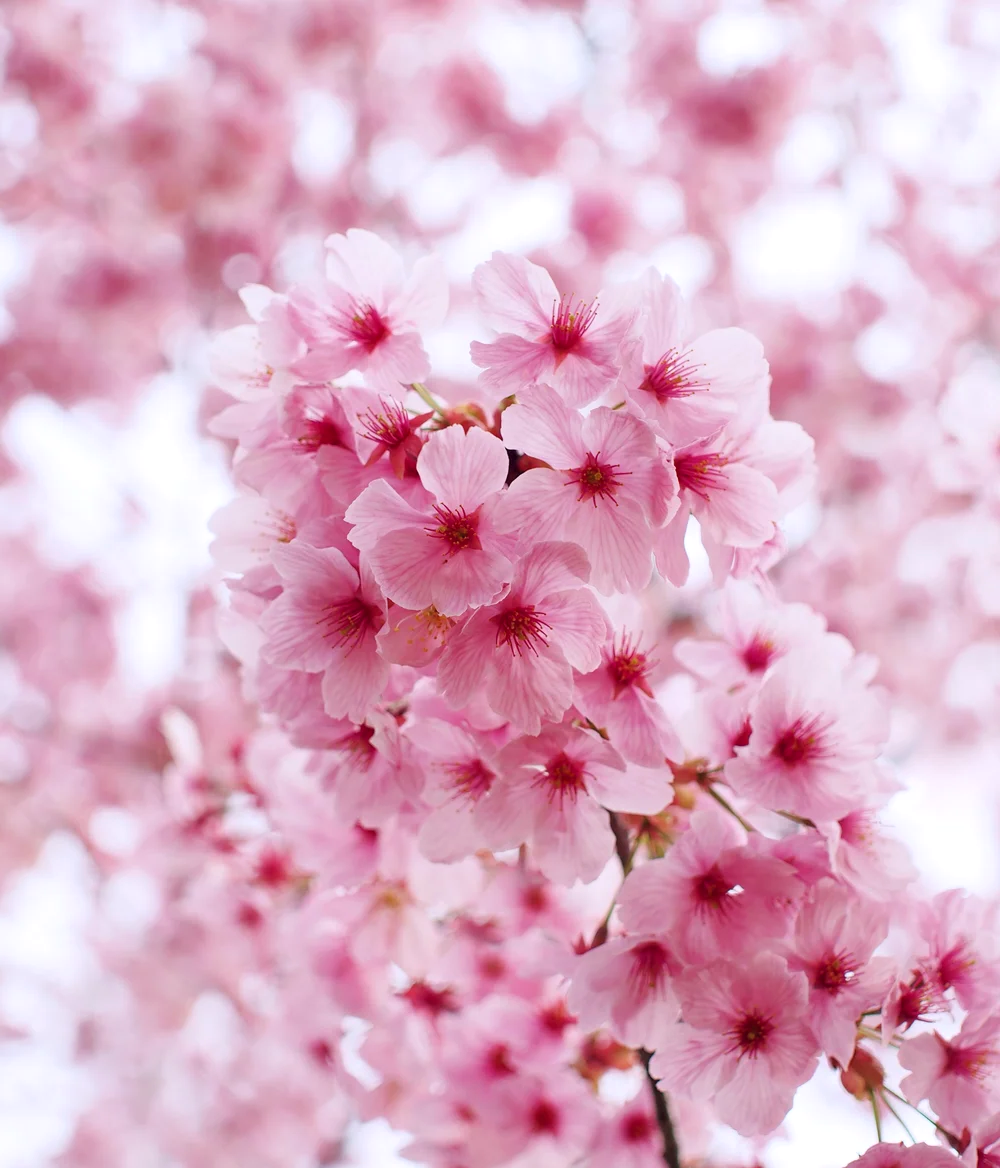
The motivation to write about Sakura and the Hanami stems from the desire to explore the connection between cultural symbolism and its modern manifestations in different geographical contexts.
Beyond personal artistic inspiration, this reflection is based on the observation that a deeply rooted Japanese aesthetic philosophy centred on transience, presence and disciplined beauty can be meaningfully translated and recontextualised within a European cultural landscape.
In this sense, the subject becomes an exploration of form and meaning as well as an acknowledgement of how cultural values travel, adapt and are respectfully incorporated into new environments. It is within this framework that the dialogue between art, place and cultural diplomacy becomes apparent, broadening the significance of sakura from a seasonal phenomenon to a shared, living experience.
Against this backdrop, the commitment made to Japanese Ambassador Takashi Katae in Bucharest in February has been honoured, and the garden is now poised to offer the complete Hanami experience.
Beyond its symbolic dimension, this initiative takes on the significance of a diplomatic gesture, evolving into an act of cultural commitment.
Bucharest is therefore establishing itself as a point of reference by hosting the largest Japanese garden in Europe. Located in King Michael I Park, the garden has recently been expanded to include 24 additional cherry trees, bringing the total to 85.
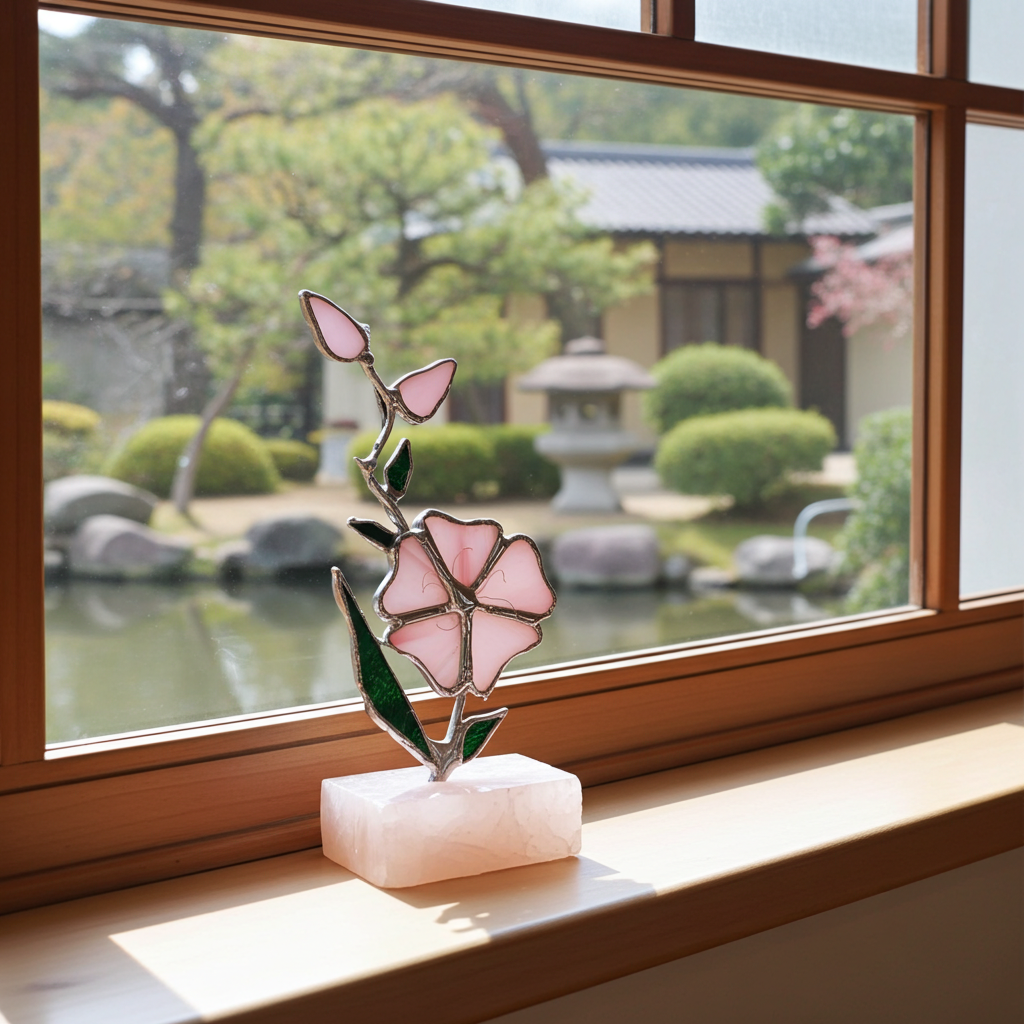
My own creation, the 'Sakura' stained glass artwork, was inspired by a deep fascination with Japanese culture. It brings a refined visual presence to the interior, where light, structure and material sustain the essence of Hanami.
Designed as an artistic and cultural statement, the piece subtly engages in a visual dialogue that resonates with aesthetic discipline and subtle diplomacy.
The artwork uses glass as a medium through which light is intentionally shaped, reflecting the disciplined aesthetics of Japanese visual culture.
When placed within an interior, for example on a desk or windowsill, it introduces a sense of measured balance and order, where presence is defined by restraint rather than excess.
In line with the symbolism of the cherry blossom, it serves as a composed visual reminder of transience — an enduring form that quietly conveys an awareness of passing time within a refined and continuous experience of space.