
Art Trends – Between Technology, AI, and Sustainability
Contemporary art is undergoing a profound transformation. If in the past innovation was mostly about materials or new techniques, today the shift is happening in mindset and in the way artists, audiences, and technology interact. Art is no longer limited to a beautiful object displayed on a wall — it can be a living, interactive, and deeply personal process.
Audiences are increasingly drawn to experiences that engage them both emotionally and intellectually. They seek artworks that carry meaning and create a dialogue between tradition and innovation. Against this backdrop, several directions are shaping contemporary artistic practice today: artificial intelligence, immersive experiences, sustainable approaches to materials and making, renewed interest in cultural heritage and symbolism, and new conversations between technology and human creativity.
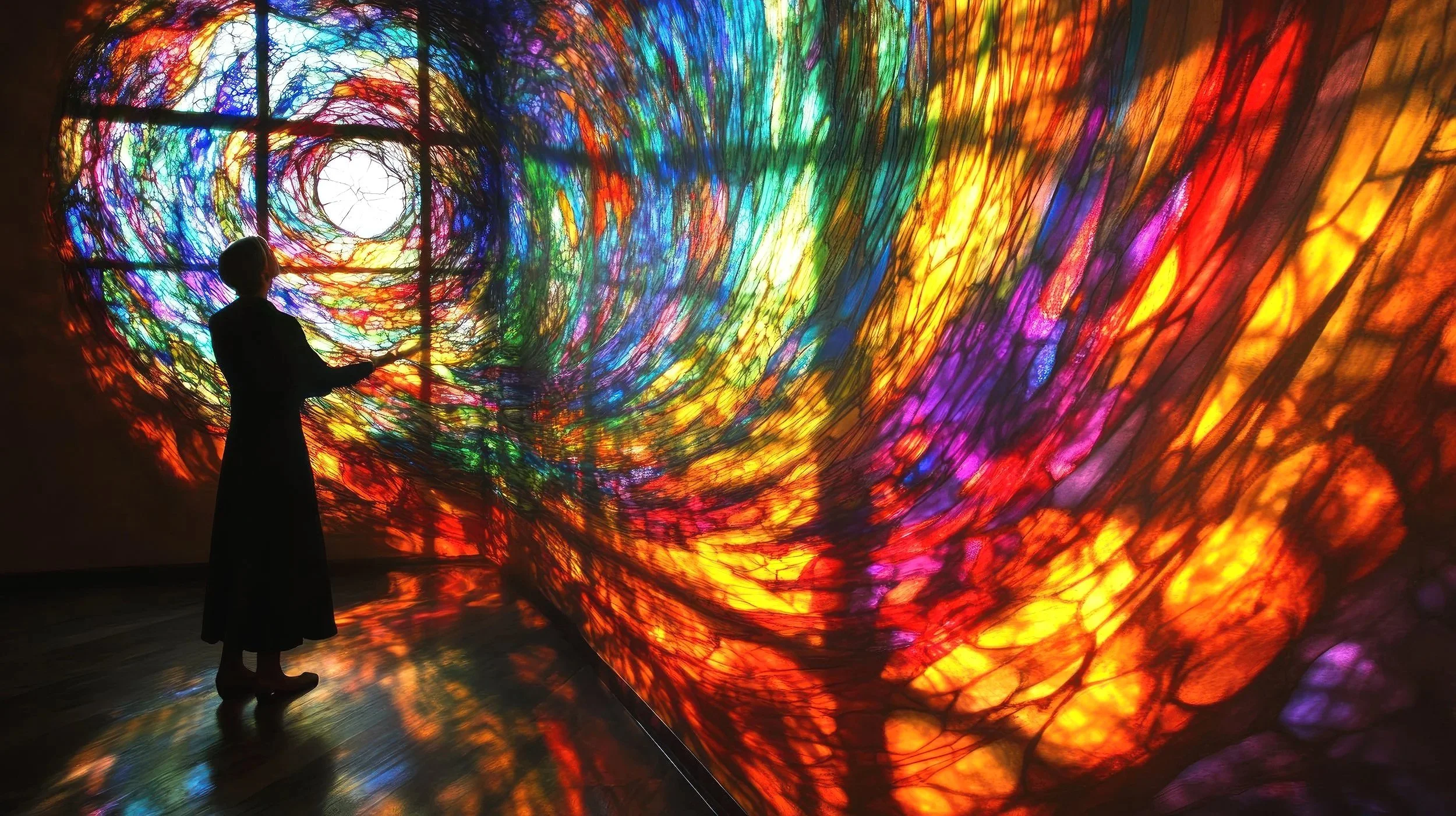
Art experiences
Artificial Intelligence and the Human Creative Process
Artificial intelligence is becoming part of the contemporary artist’s creative landscape, offering new ways to explore ideas, compositions, visual references, and possibilities before a physical artwork takes shape. Yet the presence of AI also raises important questions about authorship, originality, authenticity, and the role of the human artist.
For artists working with tangible materials, the distinction becomes especially meaningful. A digital image can suggest an idea, but transforming that idea into glass, metal, pigment, or another physical medium requires decisions, skill, material knowledge, and a personal artistic vision. The finished artwork emerges through a human creative process in which intuition, craftsmanship, and material experience remain essential.
Rather than replacing artistic practice, technology can become another point of departure — a way of exploring possibilities before the artist makes choices about what deserves to exist in physical form.
From Digital Inspiration to Tangible Art
The growing relationship between digital tools and traditional craftsmanship does not mean that physical art is becoming less relevant. Instead, technology can become another point of departure for artists who continue to work with tactile materials and traditional techniques.
In stained glass, an initial idea must ultimately become a physical composition of glass, color, transparency, light, and structure. The material itself introduces possibilities and limitations that cannot be fully experienced on a screen. This dialogue between digital inspiration and physical making creates a space where technology and craftsmanship can coexist without replacing one another.
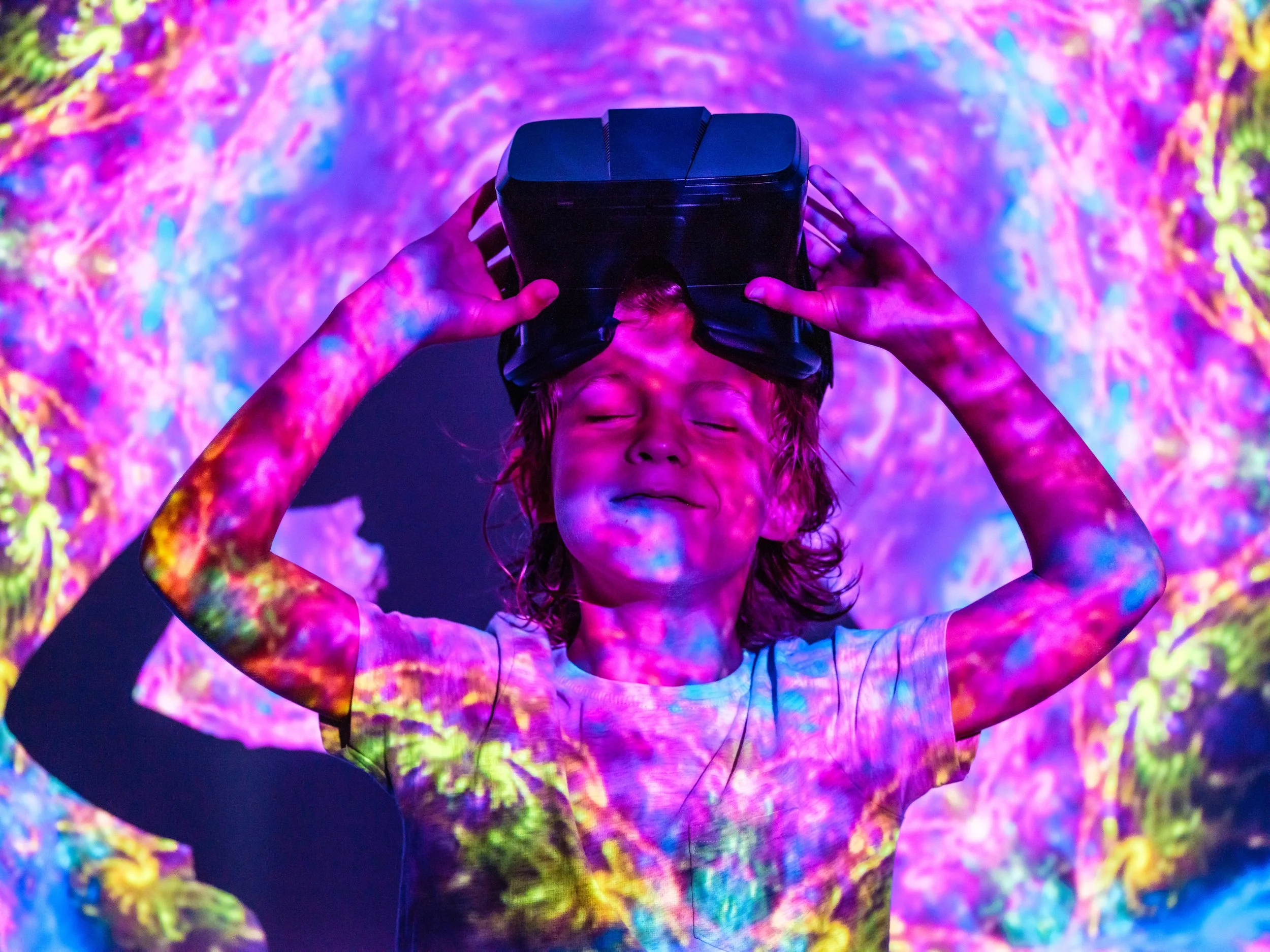
Exhibitions that transform visitors into an active part of the artwork.
Immersive Experiences – From Museums to Virtual Worlds
Immersive art is changing the relationship between artwork and audience. Through large-scale projections, spatial sound, interactive installations, augmented reality, and virtual environments, viewers can become active participants rather than simply observers.
These experiences reflect a broader movement toward art that engages the senses, creates emotional presence, and invites deeper interaction.
Returning to Nature and Sustainable Materials
Sustainability in contemporary art is changing the way artists think about materials, processes, longevity, and consumption. Reclaimed and repurposed materials, responsible production, and thoughtful making contribute to a broader conversation about the relationship between art and the environment.
For material-based artists, sustainability can also begin with a different relationship to the artwork itself: creating slowly, thoughtfully, and with the intention that a piece can remain meaningful for generations rather than being treated as disposable. This idea of lasting value brings craftsmanship, materiality, and sustainability into the same conversation.
The Power of Archetypal Symbols and Spirituality
In a digital era defined by speed and constant change, many artists continue to explore symbols that speak to memory, identity, spirituality, and the search for meaning. Sacred geometry, mandalas, solar and lunar symbols, and other archetypal forms can be reinterpreted through contemporary materials and visual languages.
For artists and collectors alike, such works can offer more than visual beauty. They can become vessels for reflection, memory, and personal meaning — connecting contemporary expression with ideas that have resonated across cultures and generations.
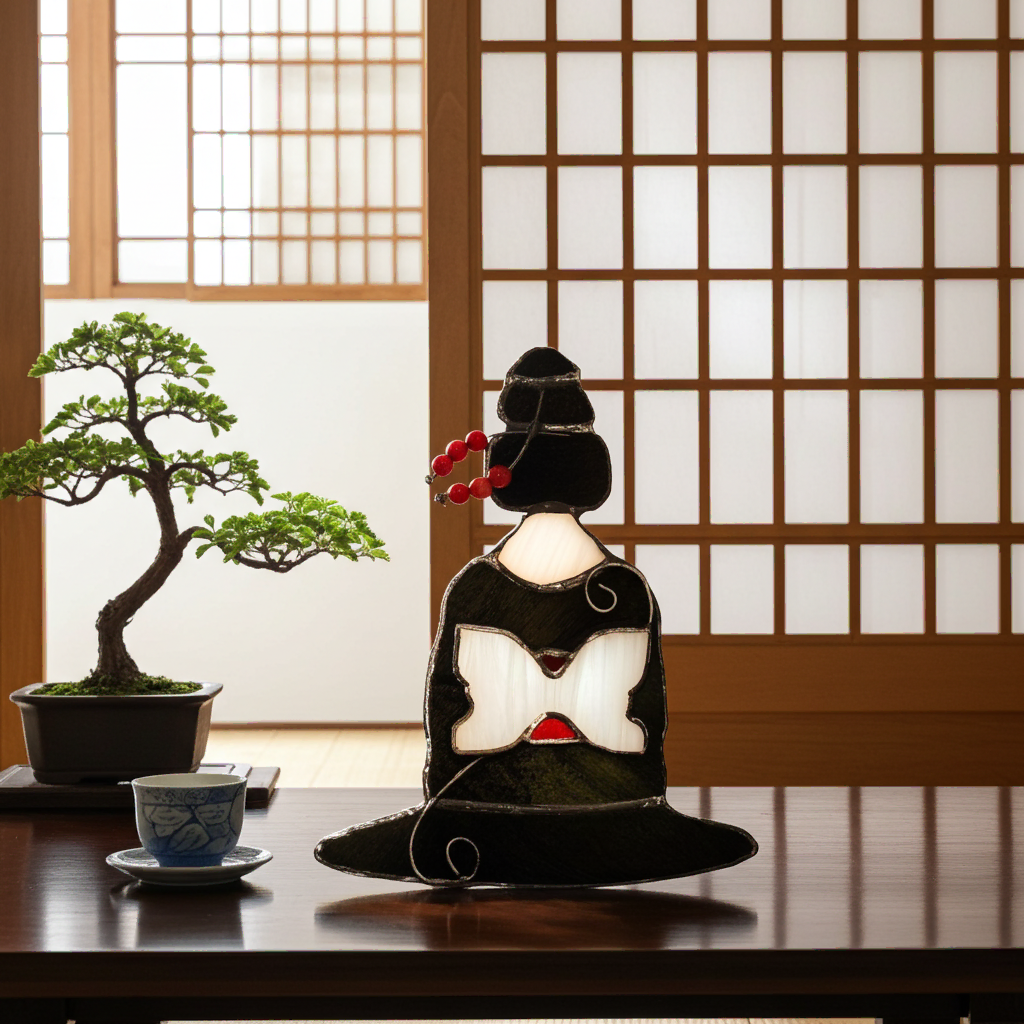
Art as a Dialogue Between Cultures
Art can cross cultural boundaries, carrying symbols, stories, and ways of seeing from one tradition into another. Contemporary artists can draw inspiration from cultural heritage without simply reproducing it, transforming familiar references into new visual languages.
In my own artistic practice, cultural references become part of this dialogue through stained glass, where light, color, transparency, and form allow traditional ideas to take on a contemporary expression.
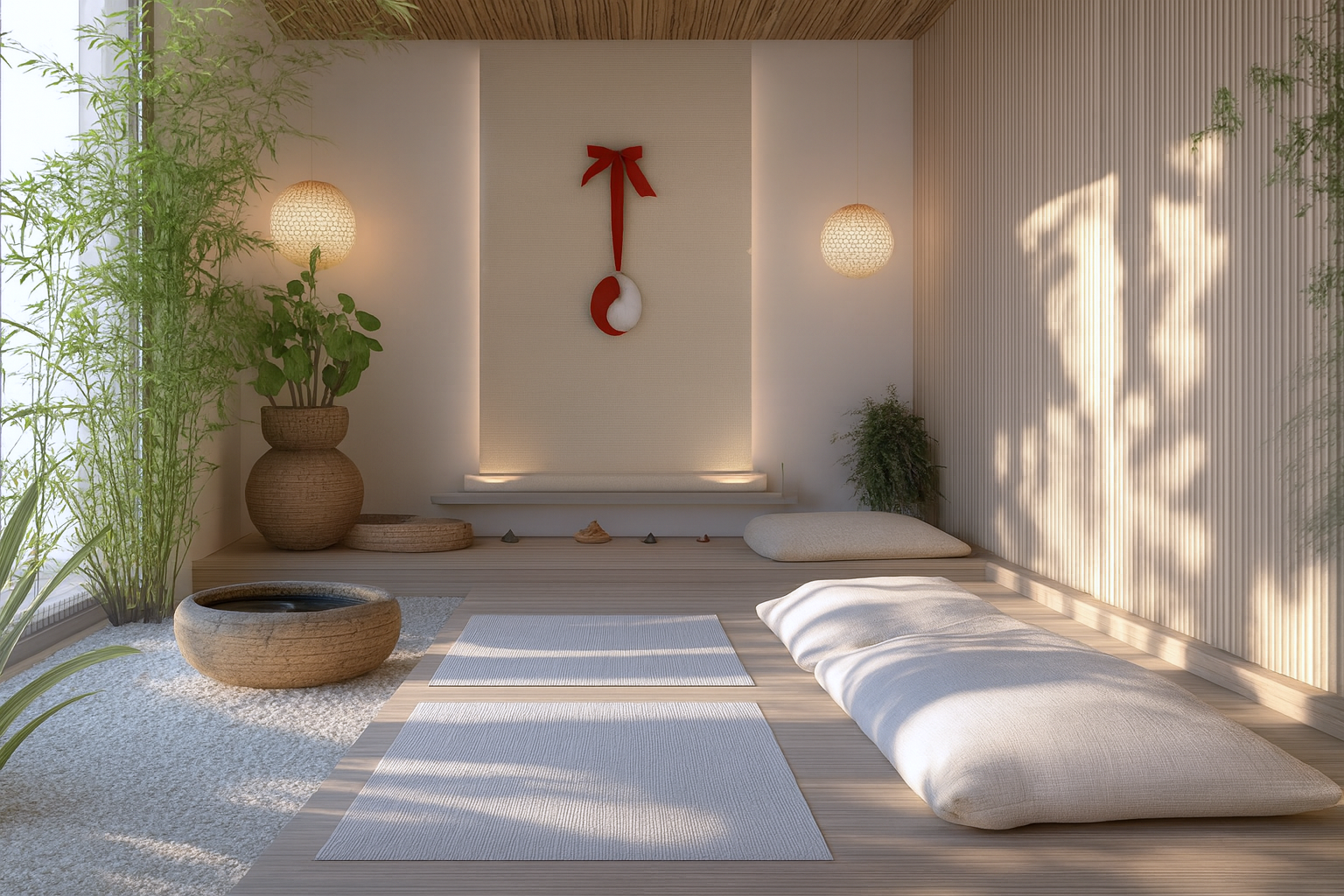
the fuTure of Art
The future of art is unlikely to belong exclusively to technology or tradition. It will emerge from the space between them — where digital tools meet human intuition, contemporary ideas meet cultural memory, and innovation meets craftsmanship.
Ultimately, what gives art lasting value is not the technology behind it, but the human meaning we create through it.