
Cultural Diplomacy — Invisible Bridges Between Nations
CULTURAL EXCHANGE — The Art of Building Bridges Between Worlds
Art has always carried stories across borders. A symbol, a gesture, a pattern, or a traditional motif can travel from one culture to another and acquire new meaning without losing its connection to where it began. In this sense, cultural exchange is not simply about discovering another tradition — it is about allowing different ways of seeing the world to meet through creativity.
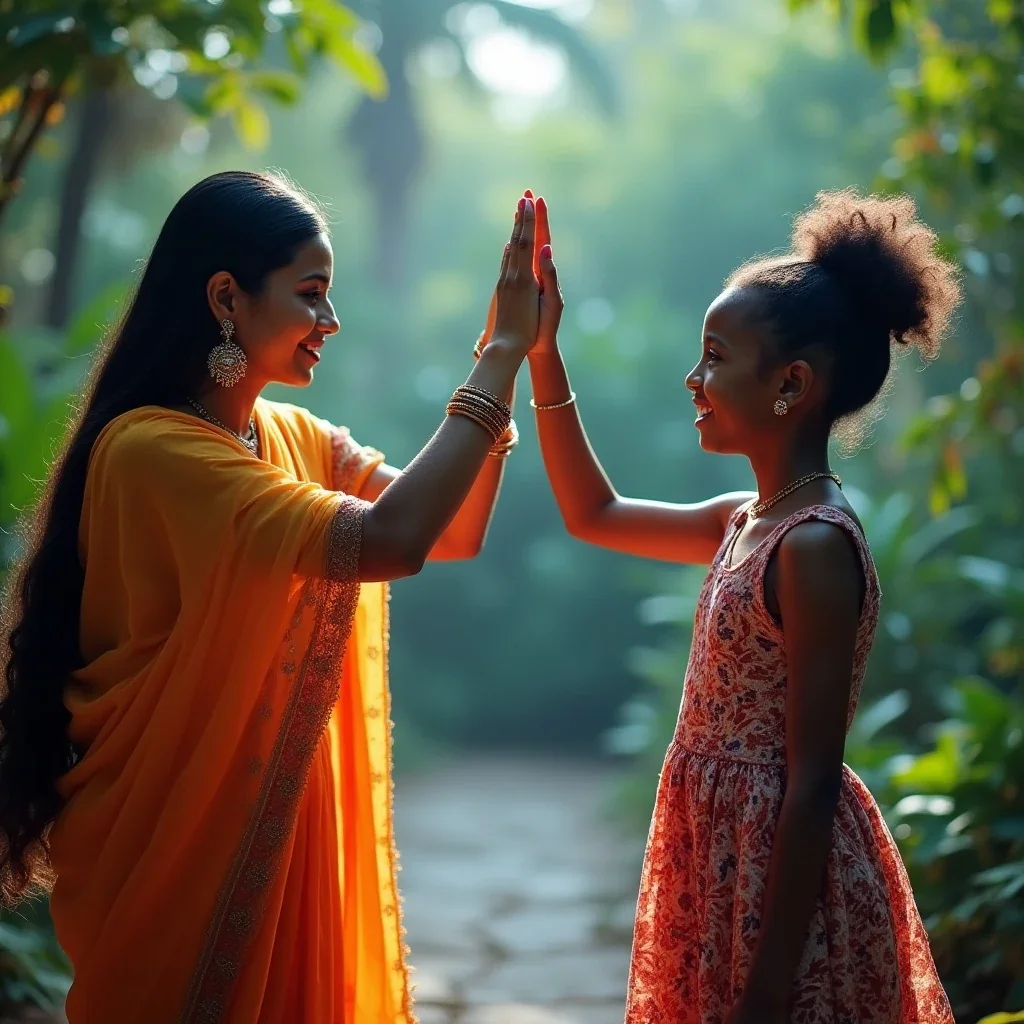
In a world of diversity, art becomes a language of empathy and understanding.
Cultural Diplomacy — Invisible Bridges Between Nations
Art and culture hold the power to express what politics often cannot: empathy, respect, and understanding.
Cultural diplomacy thus becomes a subtle yet profound instrument for bringing people and nations closer.
When an artist from one country exhibits in another, they carry not only a work of art but the very essence of a collective identity — an invitation to dialogue, curiosity, and harmony.
Diversity and Understanding — The Beauty of Differences
True cultural exchange is an encounter of perspectives — not only between artistic styles but between ways of seeing life itself.
Every tradition, ritual, and creative expression opens a window to another reality, enriching those who dare to look through it.
For an artist, cultural exchange can become a source of creative transformation. Encountering another culture does not necessarily mean reproducing its traditions; it can mean observing its symbols, forms, stories, and values and allowing them to inspire a new artistic language.
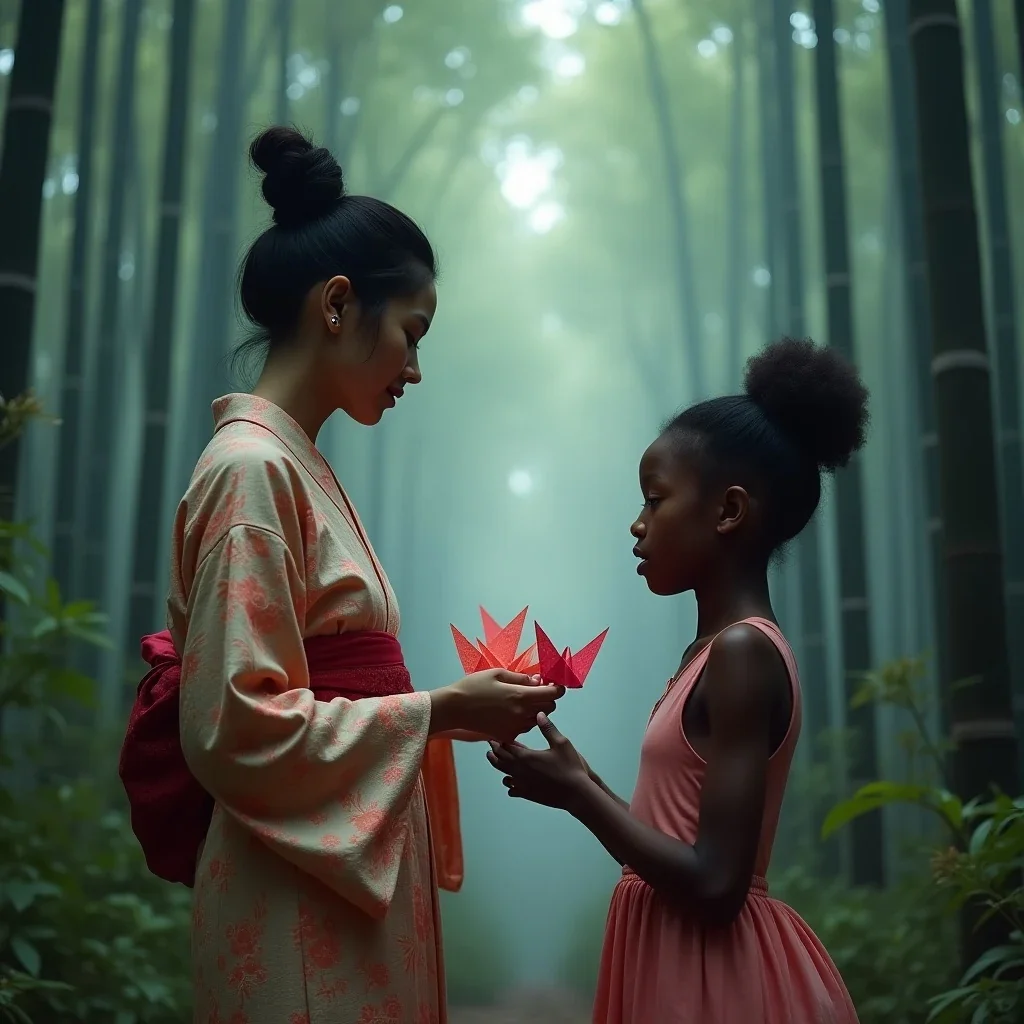
Through art and dialogue, we build bridges across cultures — celebrating unity within diversity.
Personal Growth — The Inner Journey of Discovery
Participating in cultural exchange programs — whether artistic, educational, or community-based — expands both the mind and the heart.
It allows individuals to discover new skills, explore new ways of self-expression, and integrate elements from other cultures that enhance their creativity, sensitivity, and confidence.
Ultimately, cultural exchange is a journey of self-knowledge — seen through the eyes of others.
When Cultural Heritage Becomes Stained Glass
Stained glass offers a particularly expressive way to explore cultural themes. Because light becomes part of the artwork, traditional symbols, figures, and motifs can be reinterpreted through transparency, color, reflection, and form. The result is not simply an image of a culture, but a contemporary interpretation of its visual language.
For an artist, working with cultural references also means approaching them with curiosity and respect. A symbol can remain rooted in its original meaning while taking on a new visual expression through contemporary materials and techniques. In this way, stained glass can become a meeting point between cultural memory and contemporary art.
Japanese Culture as Artistic Inspiration
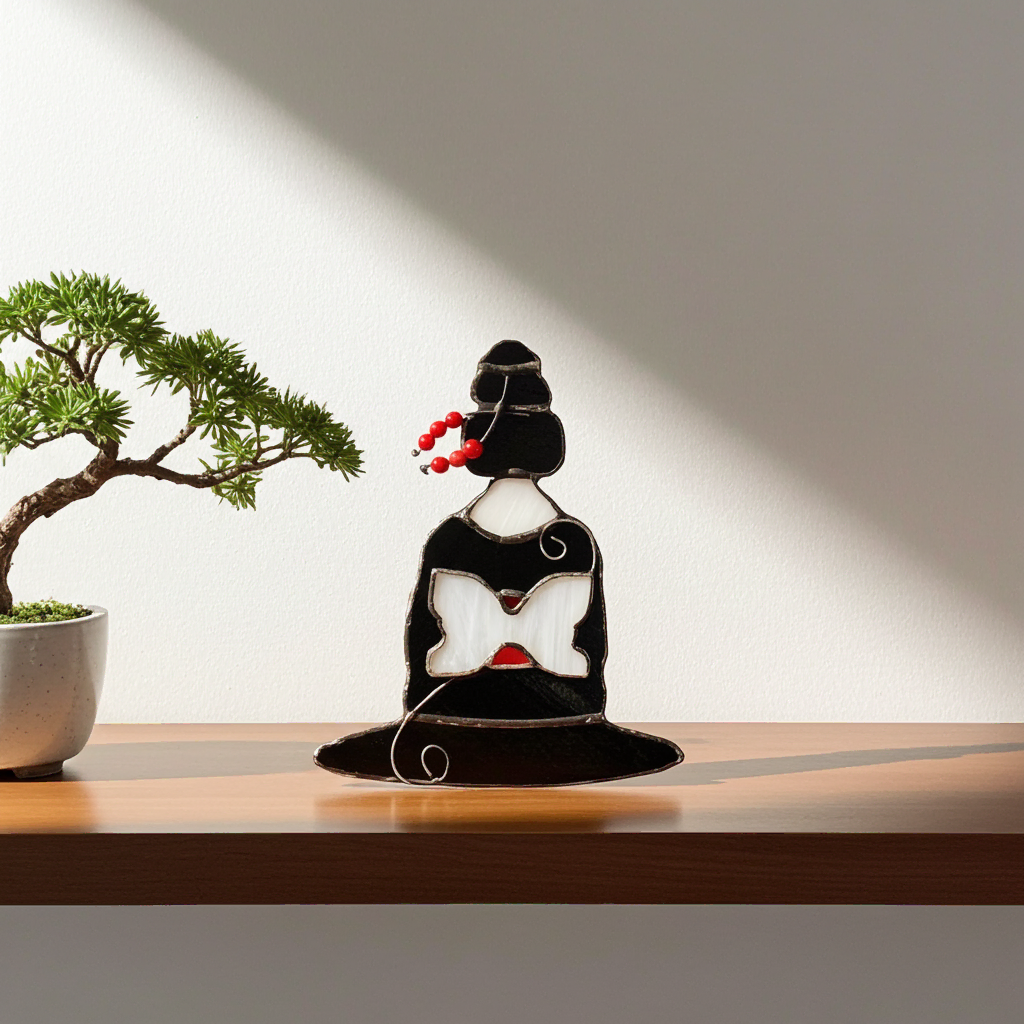
My own artistic practice also explores the connection between cultural heritage and contemporary stained glass. One example is Japanese Grace, a one-of-a-kind handmade stained glass artwork inspired by Japanese aesthetics and symbolism. The figure of the geisha becomes a starting point for exploring elegance, stillness, ritual, and the subtle beauty of movement.
Through glass, light, and color, a cultural reference can move beyond representation and become an invitation to contemplate another way of seeing beauty. This is where cultural exchange becomes part of the artistic process — not as imitation, but as a respectful dialogue between traditions and contemporary expression.
When Art Becomes a Universal Language — Examples and Experiences
Cultural exchange can take many forms:
Artist residencies bringing together creators from different parts of the world;
International exhibitions and festivals exploring global visions of a shared theme;
Educational programs encouraging young people to explore other civilizations;
Or simply everyday encounters in multicultural spaces, where a gesture, a song, or a work of art builds unexpected connections.
Each of these experiences becomes a step toward a more conscious, compassionate, and united world.
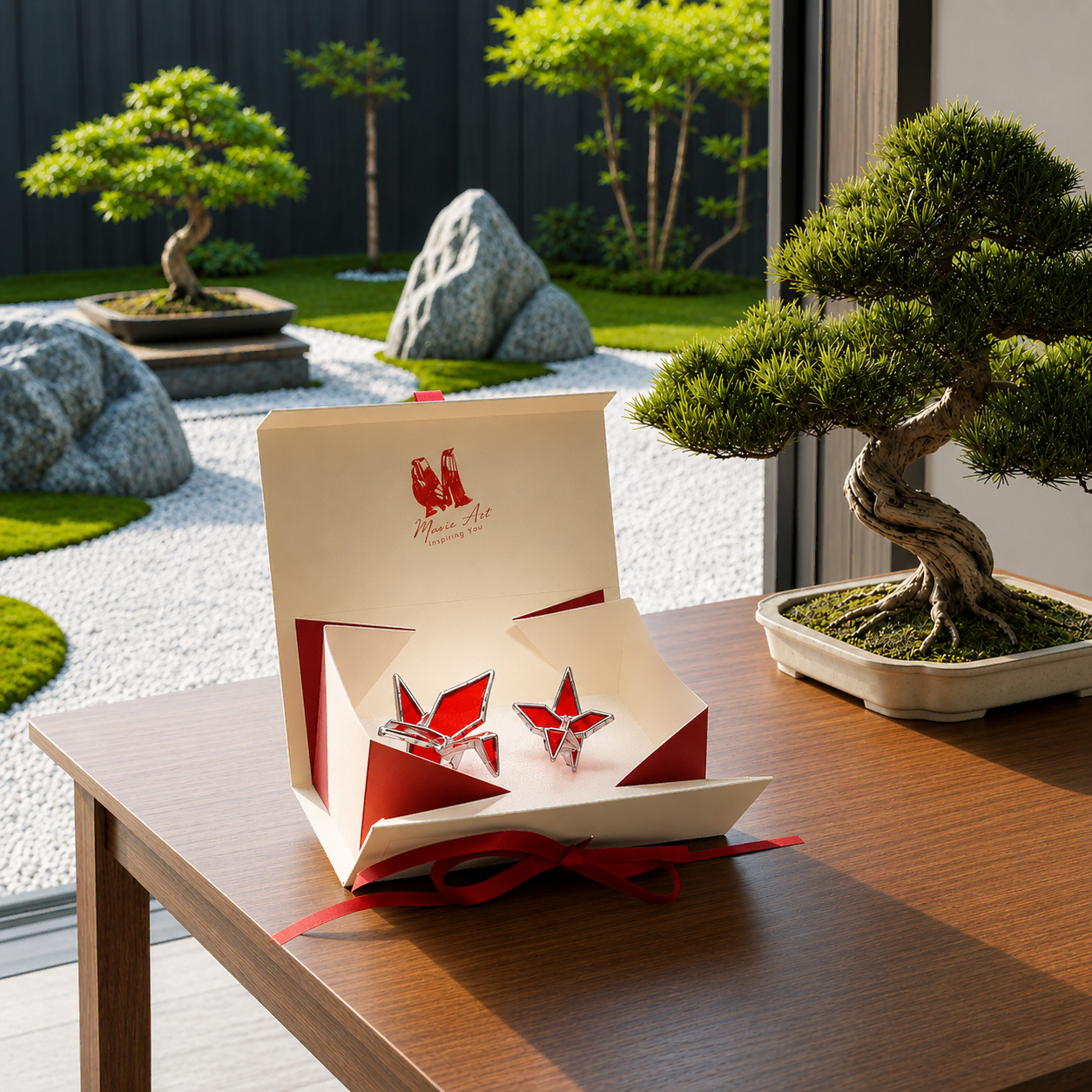
The Japanese crane, or tsuru, offers another example of how a cultural symbol can carry meaning across generations. Traditionally associated with longevity, peace, hope, and good fortune, the crane has become one of the most recognizable symbols of Japanese visual culture.
Cultural Exchange is not just an external experience — it is a dance of spirits, a celebration of what makes us unique and profoundly human.
At Marie ART Gallery, I see cultural exchange as an invitation to look beyond familiar boundaries — to discover meaning in symbols, stories, and artistic traditions that may have begun somewhere else. Through stained glass, these influences can be transformed into contemporary works that carry both memory and new light.
Art does not erase cultural differences. It gives us a way to encounter them with curiosity, empathy, and wonder. In that sense, every artwork can become an invisible bridge between worlds.